The Pyramids of Giza are the most iconic archaeological site in the world and the only surviving wonder of the ancient world — the Great Pyramid. They are considered the most important, most enigmatic, and most mysterious monuments on Earth.
The site includes:
- The three main pyramids:
- Khufu
- Khafre
- Menkaure
- Six smaller “queen pyramids”
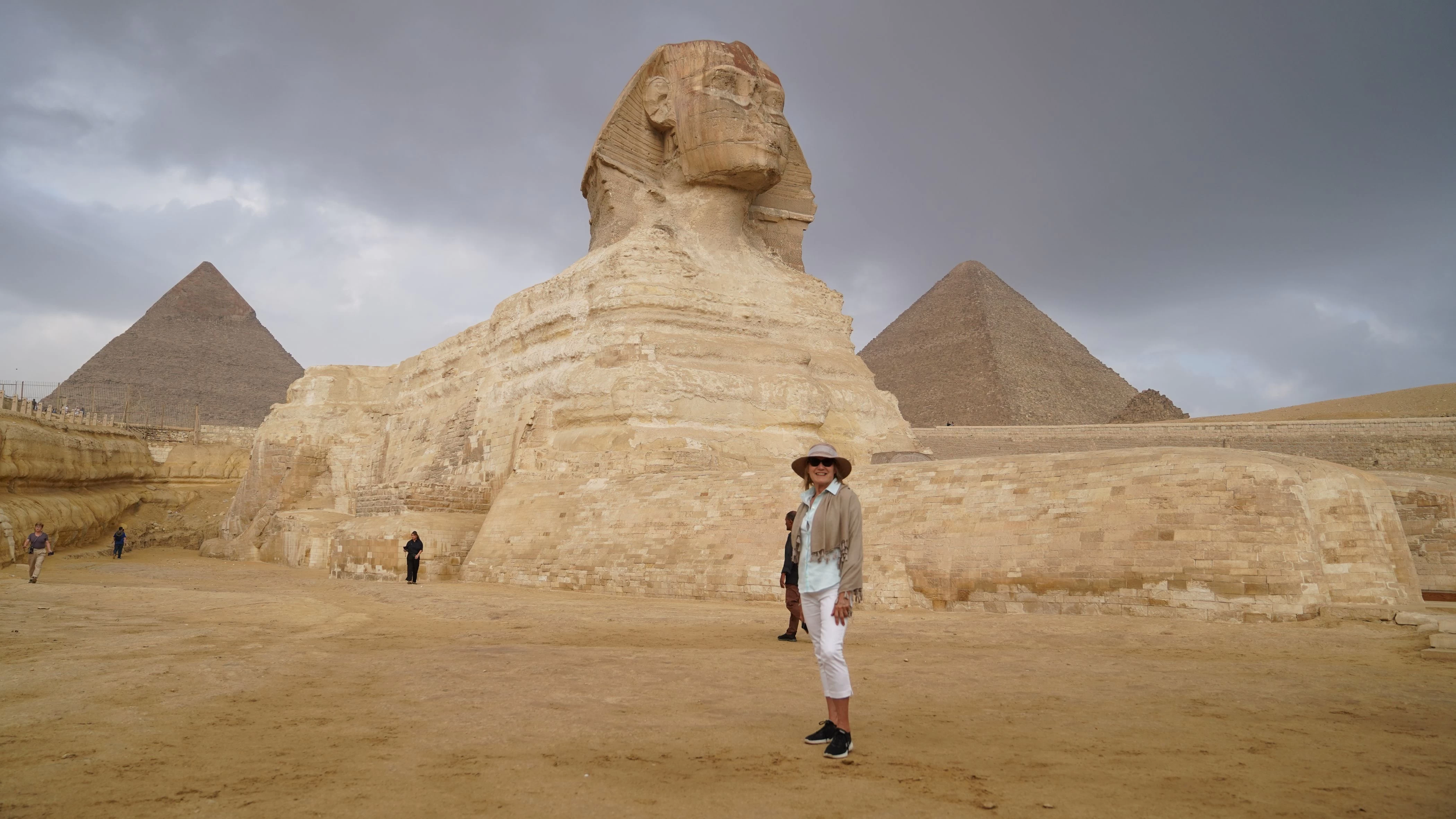
- The Great Sphinx
- Associated temples and causeways
This area was not only reserved for pharaohs but also included nobles and high officials. Nearby, the workers’ village was discovered in the modern era (excavations expanded significantly under Dr. Zahi Hawass), showing that thousands of workers lived and operated in organized communities.
Why were the pyramids built at Giza?
Several important reasons explain why this location was chosen:
- The plateau served as a large limestone quarry, providing building materials
- It is located on the West Bank, symbolically linked to the afterlife in ancient Egypt
- It is close to the capital Memphis, allowing easy royal access
- The site was surrounded by water channels from multiple sides in antiquity, aiding transport
The area was already considered sacred in early religious texts, including references linked to the cult of Sokar
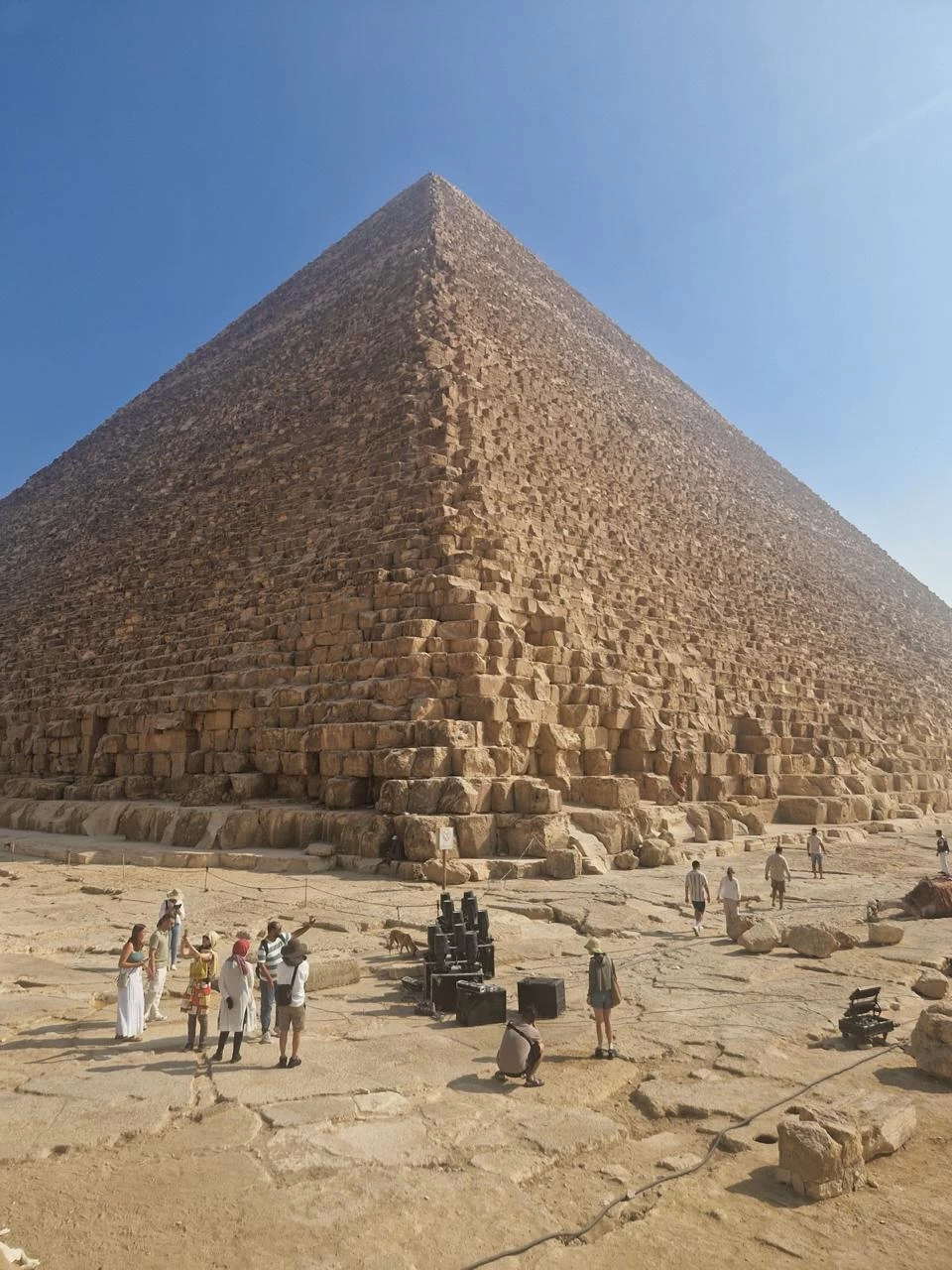
The Great Pyramid of Khufu
The first and largest pyramid was built for King Khufu:
- Construction took around 27 years
- Contains multiple internal chambers, including the King’s Chamber (burial chamber)
- Built with extraordinary precision and engineering
In 1954, the famous solar boat (Khufu ship) was discovered beside the pyramid and is now displayed in the Grand Egyptian Museum.
Pyramid of Khafre
- Built by Khafre, son of Khufu
- Located on slightly higher ground, making it appear taller
- Appears larger visually but is actually slightly smaller than the Great Pyramid
- Has a simpler internal structure with a main burial chamber at ground level
- Still preserves part of its original casing at the top
Pyramid of Menkaure
- The smallest of the three main pyramids
- Built with a combination of limestone and granite casing
- Contains the earliest known vaulted burial chamber roof in Egypt
- Originally part of a smooth casing system like the other pyramids
Over time, much of the outer casing of all pyramids was removed and reused in later construction, especially from the medieval period onward.
Pyramid Complex System
Each pyramid was part of a complete funerary complex made of five main elements:
- Harbor/Docking area (east side)
Used for transporting granite from Aswan by boat - Causeway
A long processional road used for transporting stone and ritual movement - The Pyramid (tomb itself)
The burial place of the king - Mortuary Temple
Used for religious rituals such as the “Opening of the Mouth” ceremony - Valley Temple
Used for embalming, purification, and offerings
Important Discoveries
The Giza Plateau has revealed many important treasures, including:
- The tomb of Hetep-heres I discovered in 1925
- One of the oldest and most valuable collections of funerary furniture ever found
- Now displayed in the Grand Egyptian Museum
FAQs
1. Why is the Great Pyramid so important?
It is the largest and only surviving wonder of the ancient world, built with unmatched precision and engineering skill.
2. Can you enter the pyramids?
Yes, visitors can enter the Great Pyramid and sometimes the Pyramid of Khafre or Menkaure with a separate ticket.
3. How long should I spend at Giza?
A full visit usually takes 3 to 5 hours, including the pyramids, Sphinx, and surrounding area.
4. What is inside the pyramids?
Mainly internal corridors, chambers, and burial spaces. The pyramids are not filled with treasures as many people expect.
5. What is the best time to visit?
Early morning (before 9 AM) or late afternoon for better weather and fewer crowds.
6. Is the area connected to workers?
Yes. A large workers’ settlement and cemetery has been discovered nearby, proving the pyramids were built by organized Egyptian labor teams, not slaves as once believed.