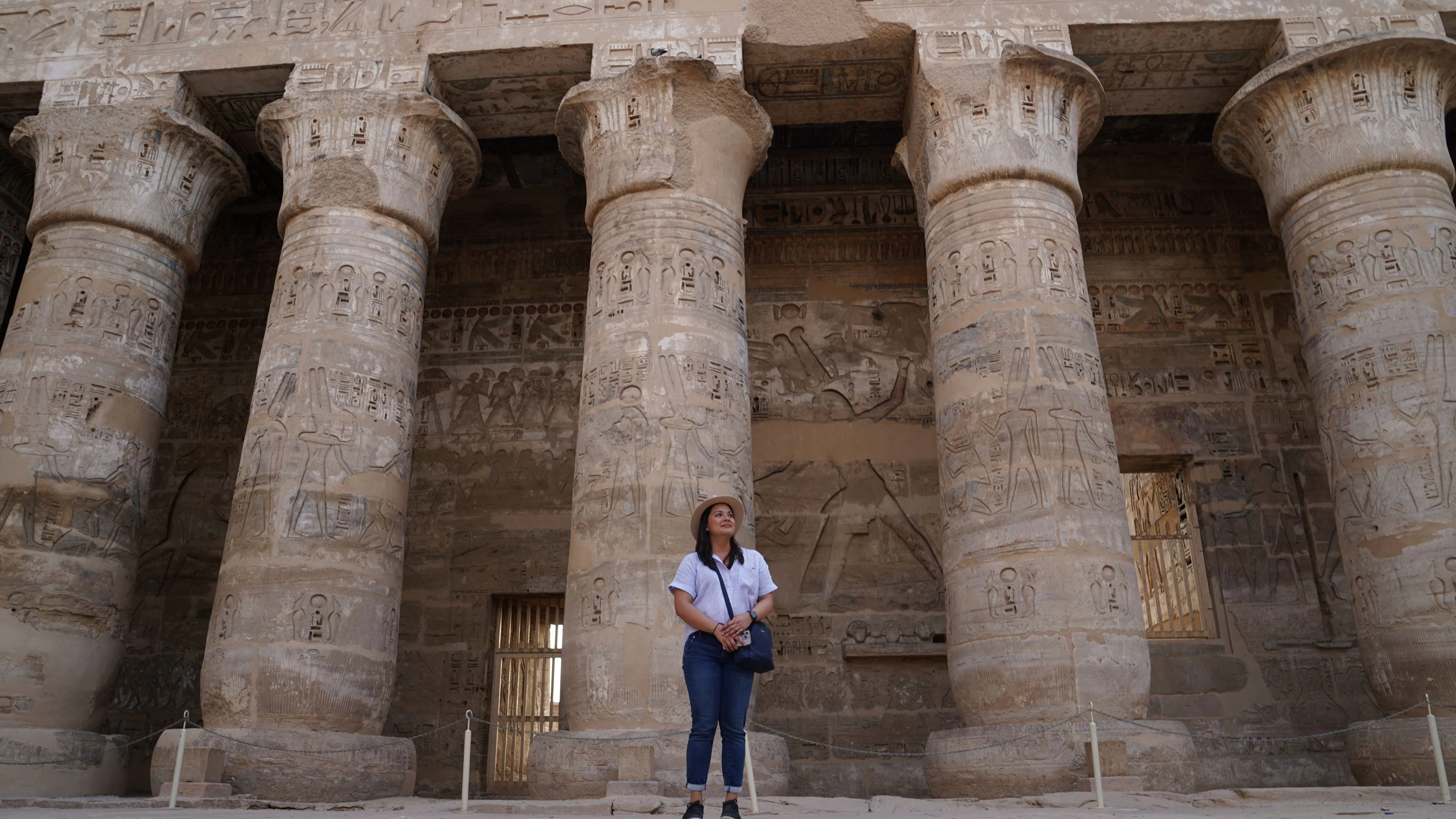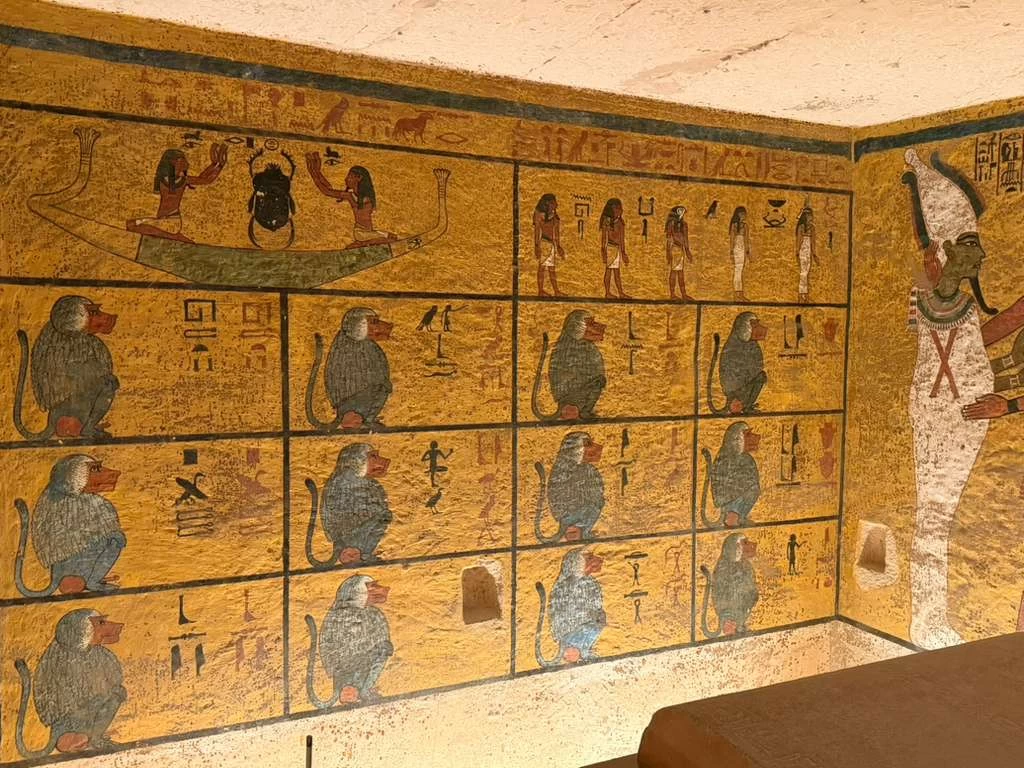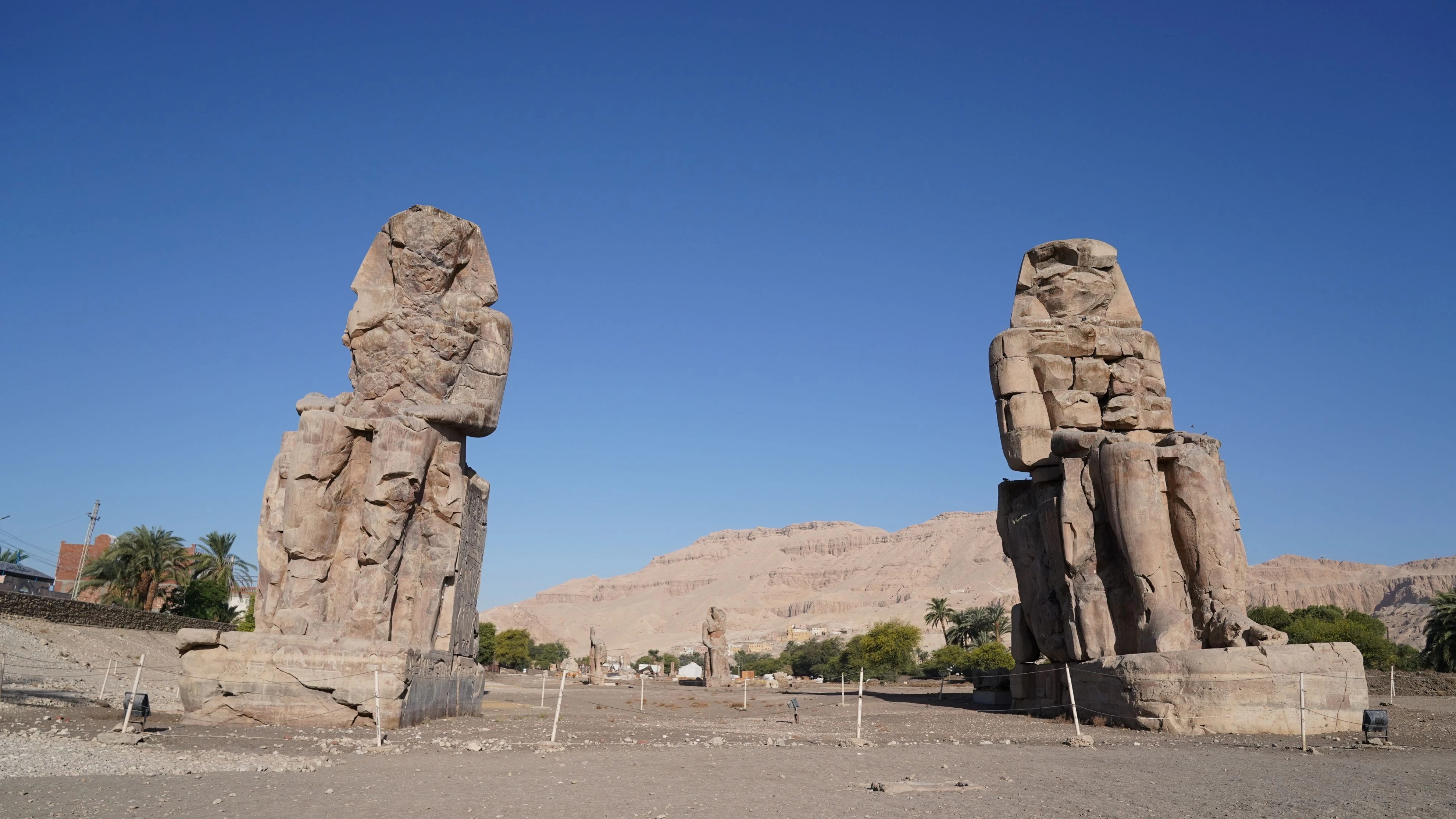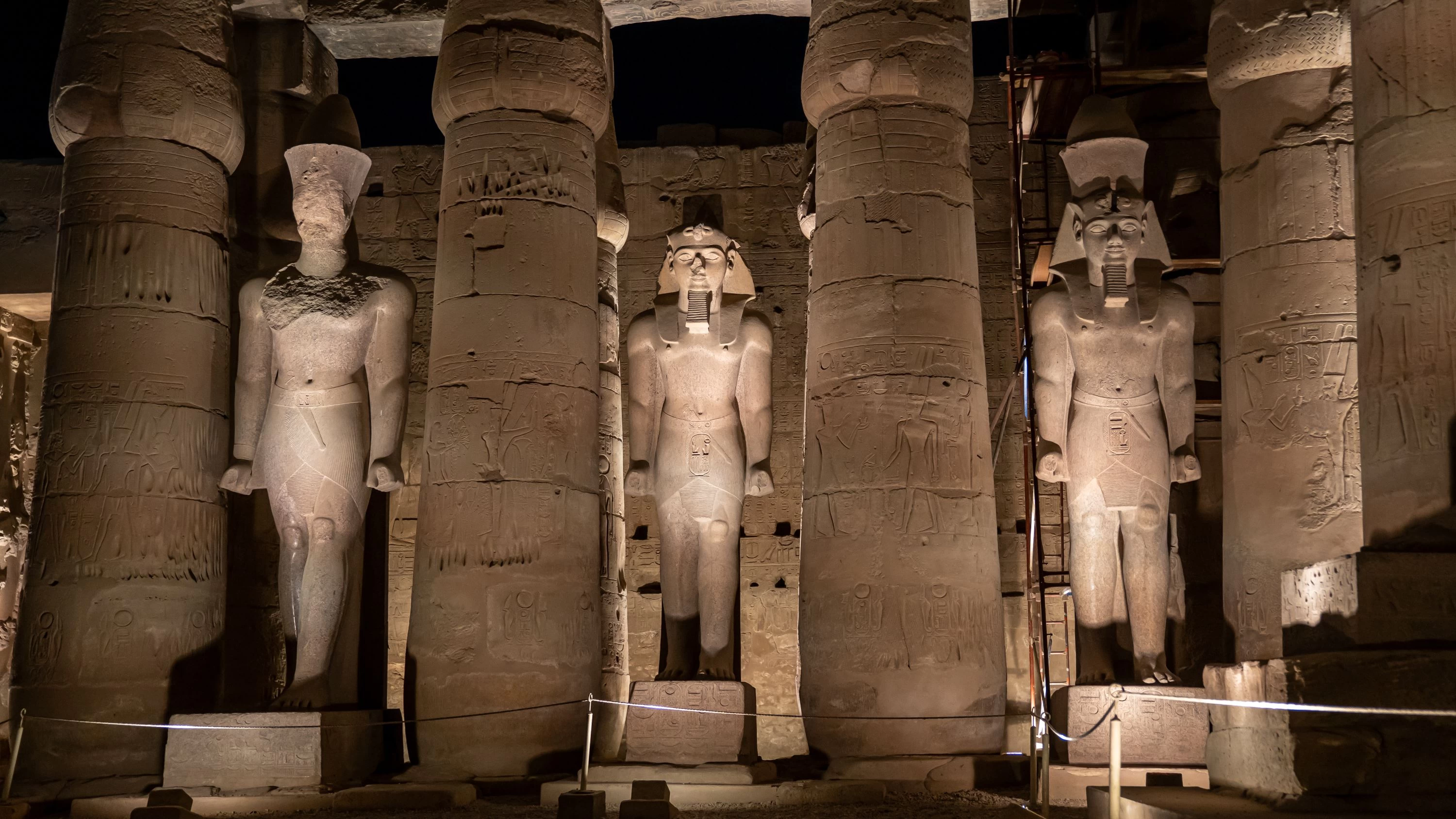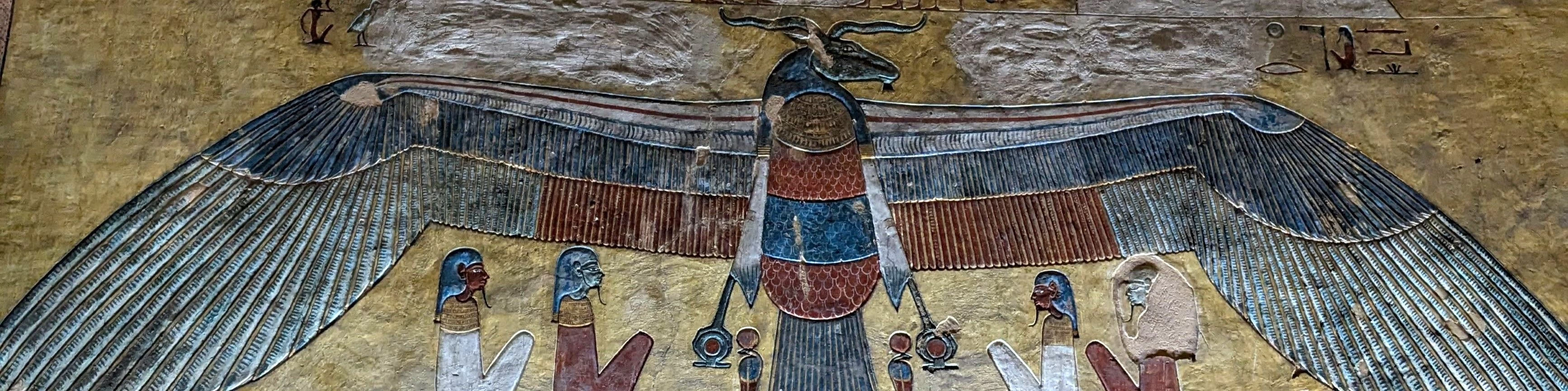
Deir el-Medina is one of the most important archaeological sites in Egypt for understanding daily life in the New Kingdom. It dates back to the 18th Dynasty of the New Kingdom, most likely established in the early phase of royal tomb construction in the Valley of the Kings, possibly during the reign of Thutmose I and later expanded by successive pharaohs.
Importance of the Site
Deir el-Medina is extremely important because:
- It is one of the few preserved ancient Egyptian workers’ villages
- It provides a unique and detailed picture of daily life in ancient Egypt
- It preserves houses, tombs, and thousands of written records
The site tells the full story of how royal tombs were built, decorated, and maintained in the West Bank of Luxor.
Why was it built?
The village was created to house the skilled workers, craftsmen, artists, and engineers who built and decorated the royal tombs in the nearby Valley of the Kings.
It was designed to:
- Reduce travel time to the royal necropolis
- Keep workers close to their construction projects
- Ensure efficiency and secrecy of royal tomb building
Over time, the settlement expanded as the number of workers increased.
Discovery of the “Great Pit”
In the late 1940s (1949–1951), French archaeologist Bernard Bruyère accidentally discovered a large refuse pit in the area. This discovery is often called the “Great Pit”.
It contained thousands of ostraca (pottery and limestone fragments with writing), including:
- Workers’ letters
- Administrative records
- Personal complaints
- Religious texts
- Sketches and drawings
- Daily work schedules
These documents are one of the most important sources for understanding ancient Egyptian daily life.
Tombs of Deir el-Medina
The tombs of the workers and artisans are different from royal tombs:
- Much smaller in size
- Often include a small pyramid-shaped chapel above the entrance
- A vertical shaft leading to burial chambers
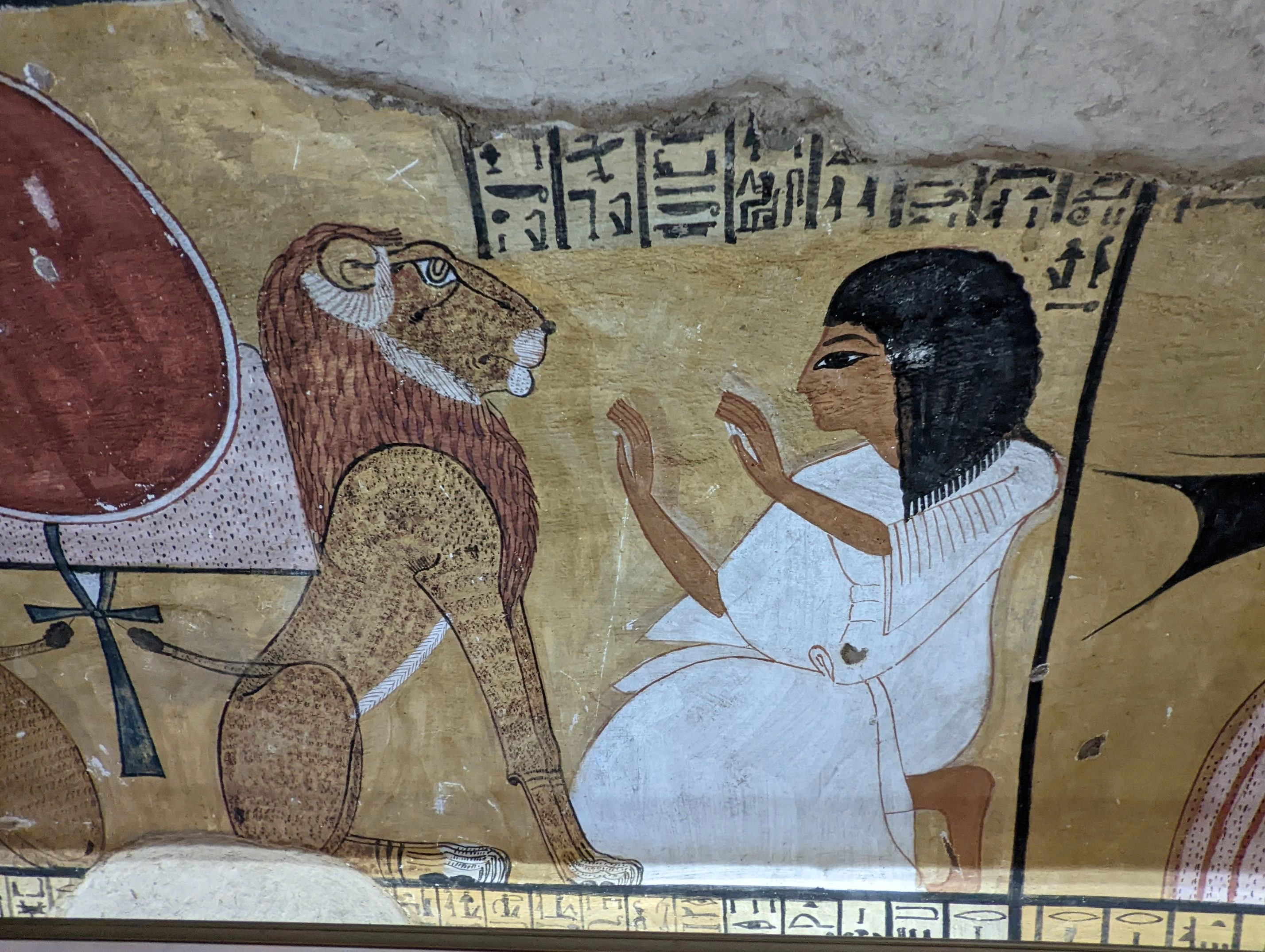
- Beautifully decorated walls
The scenes often show:
- Religious texts and afterlife journeys
- Daily life scenes of the workers
- Family portraits and personal beliefs
One of the most famous tombs is the tomb of Sennedjem and his family (TT1), which was discovered intact and is now represented in museums such as the National Museum of Egyptian Civilization (NMEC).
Name of the Site
The modern name “Deir el-Medina” comes from a later period when a Coptic Christian monastery (“Deir” meaning monastery) was built in the area during the early Christian era.
Later Discoveries
In modern times, Egyptian archaeologists led by Dr. Zahi Hawass discovered what is known as the “Lost Golden City” near Luxor, which is a large settlement related to the same broader Theban area. It included houses, workshops, tools, and thousands of artifacts that helped expand our understanding of urban life in ancient Egypt.
Houses in the Village
Summary
Deir el-Medina is not just a workers’ village — it is one of the richest archaeological archives in the world, preserving the lives of the people who built the eternal tombs of Egypt’s kings.
-webp.webp)
-webp.webp)